

Germaine Dulac
(1882 - 1942, France)
By Dāvis Sīmanis
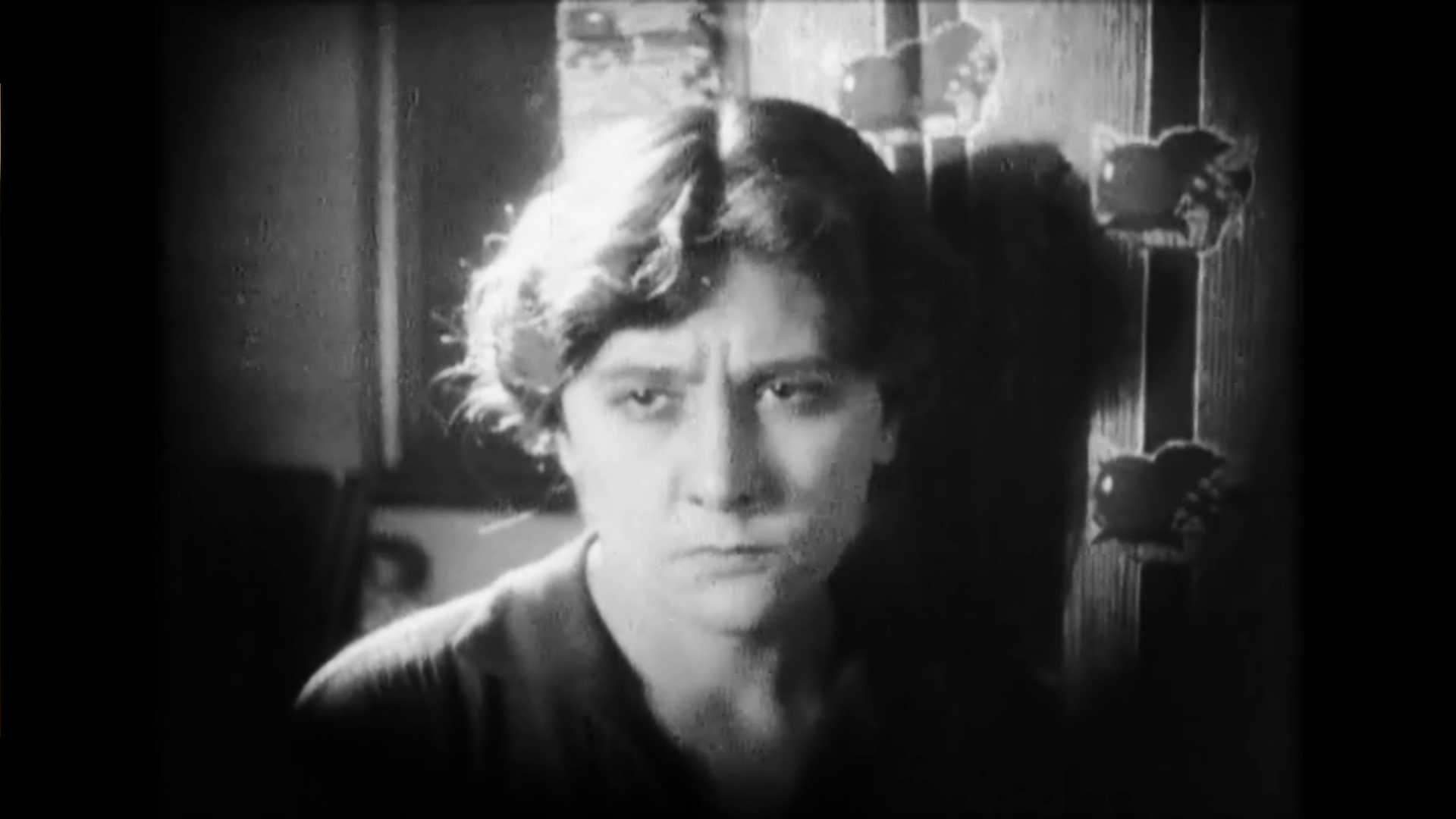
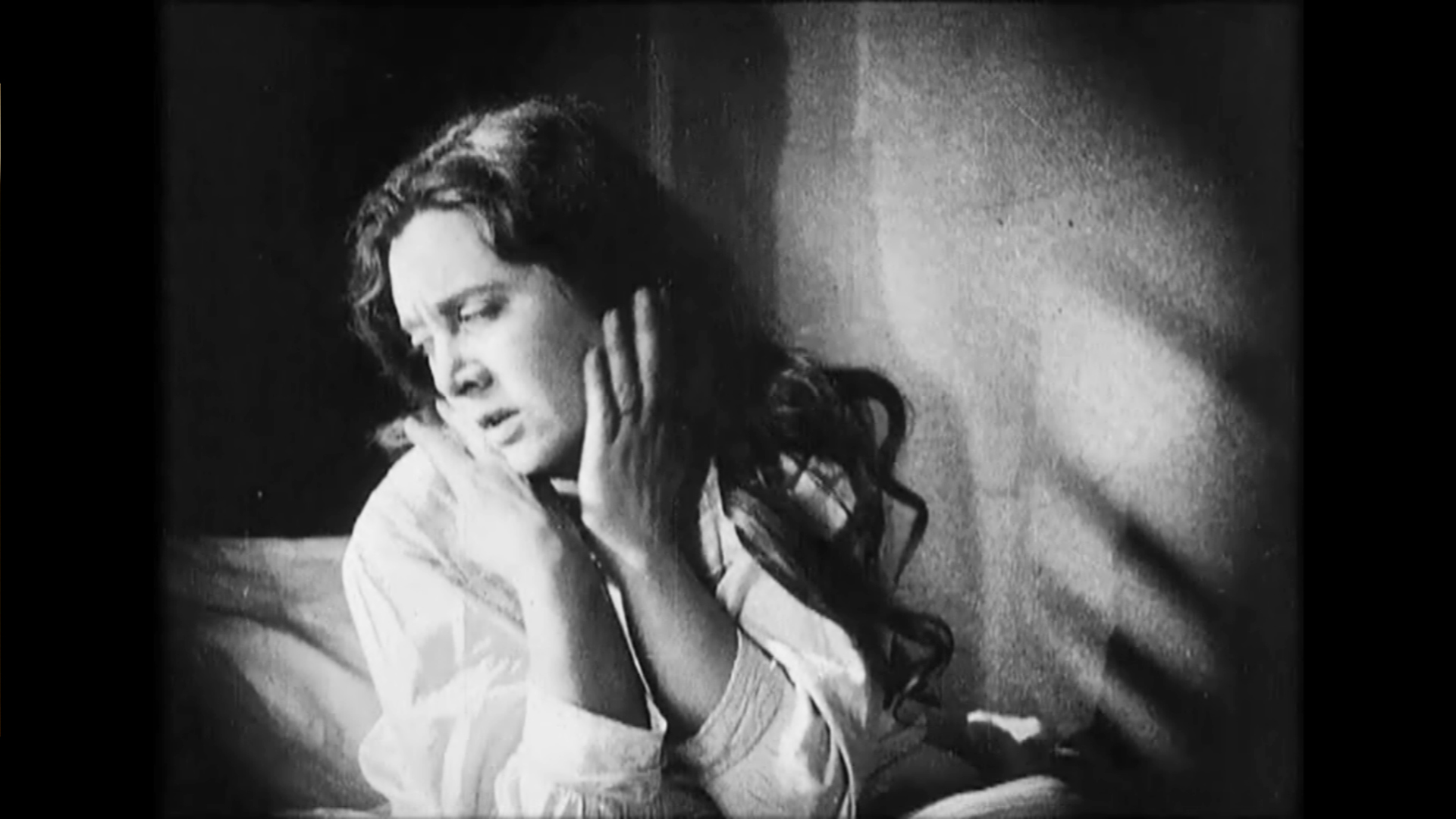
It was the creative permissiveness of les années folles that made Germaine Dulac the most unique woman in film history. You may call her different names - a pioneer of avant-garde, a feminist cinema idealist, an impressionist-theorist or an intransigent socialist, but none of them completely describes her as a truly interesting and sensitive filmmaker. Although in theory she was searching for a way to define how cinema can function as a language, by watching her films, it becomes clear that they overcome cold analysis and become true facts of art. During her lifetime the author has created over thirty films, but both films are similar yet different at the same time. Including those films in this program seems to be the best way to describe Dulac’s cinematic nature. The impressionistic The Smiling Madam Beudet (1923), where the heroine dreams to murder her bourgeois husband and then begins an affair with a tennis star from a women's magazine pages that is a clear beginning of feminist tradition. While the surreal psychodrama The Seashell and the Clergyman (1928) ironically tells the concern of a priest about the opposite sex, it is a prelude to a whole new direction, of which the first film unfairly was considered Bunuel’s Andalusian Dog that was created a year later. These films are a proof that after the lingering storytelling had won over the French cinema, it has now accepted a completely different offer from the film directors - true and pure cinematic ballet, to which life, movement and rhythm were a bigger passion. And following Dulac’s assessment, only these parameters denote the cinema itself.
Tuesday, October 22, KSuns, 19:30 - 21:00
La Souriante Madame Beudet, 1922, 54 min
The Seashell and the Clergyman, 1928, 32’/41’, 35 mm